Water in the fuel: How an overlooked contamination led to the fatal accident

A fatal accident involving a Rockwell Commander 112 TCA in Scotland demonstrates just how dangerous water in the fuel system of a piston-engine aircraft can be. Shortly after takeoff, the engine apparently began to stutter, and a short time later the aircraft spun out of control. The UK AAIB found significant amounts of water in the fuel system and severely damaged seals on the fuel filler caps. The case highlights why fuel checks must be carried out thoroughly and critically – especially after long periods of inactivity

16 August 2026

Setting the QNH correctly: Small deviation, big impact

Setting the altimeter is one of the fundamental tasks in the cockpit and is often carried out almost automatically in daily flight operations. Yet, therein lies a danger. An incorrectly set barometric pressure can cause the altitude actually flown to deviate significantly from the indicated altitude. Just a few hectopascals of difference can amount to several hundred feet and thereby reduce safety margins regarding terrain, obstacles, controlled airspace or other traffic. EASA has

15 August 2026

Cancelling a flight? Why this decision is among a pilot's most important skills

Cancelling a flight is one of the most difficult decisions in General Aviation. Often, anticipation, time pressure, important appointments or passenger expectations stand in the way of an objective safety assessment. Experienced pilots in particular know the inner conflict between the desire to fly and the responsibility to correctly assess risks. Accident analyses repeatedly show that it is not the cancellation of a flight, but sticking to an originally made plan that is often the decisive mistake.

19 July 2026

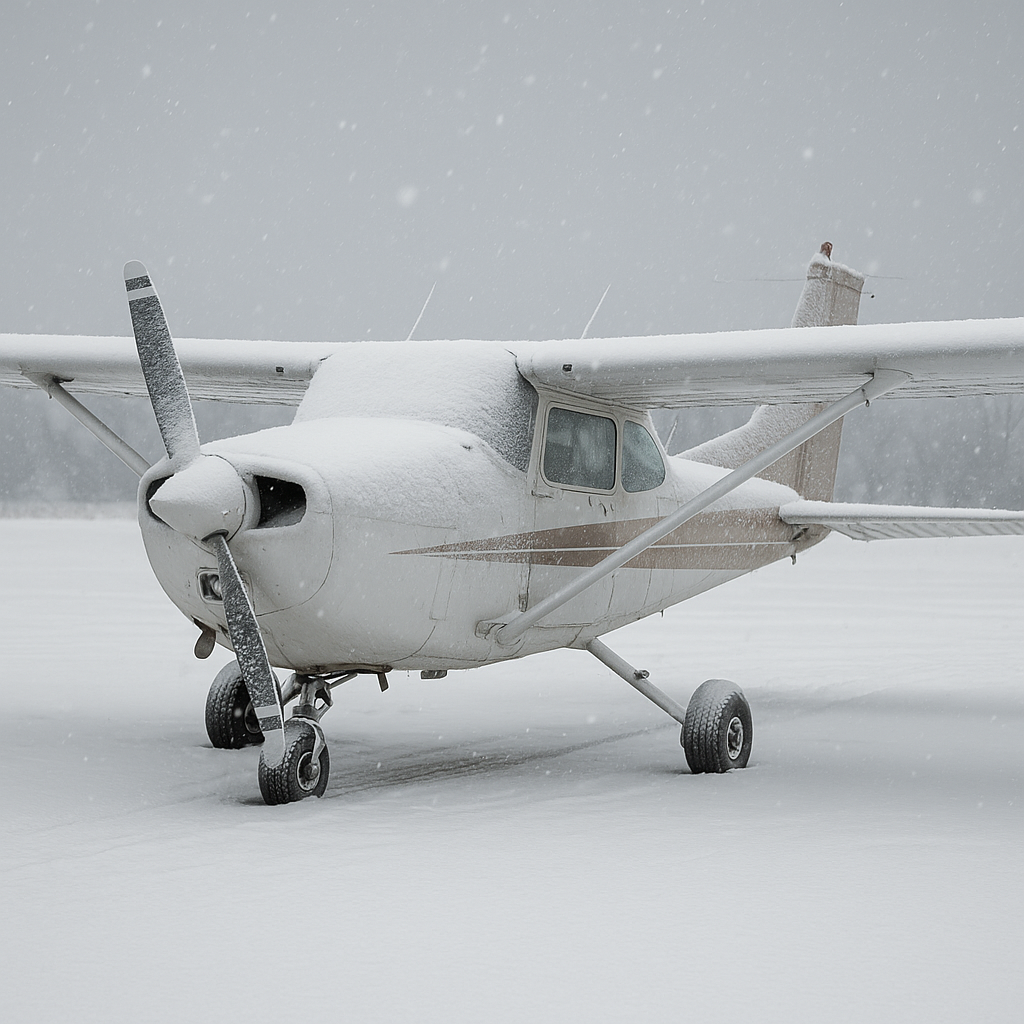
Plane crash in snowstorm: how bad decisions led an experienced crew to disaster

Most general aviation accidents are not caused by technical defects, but by a chain of human factors. A tragic accident involving a Cessna 177B near Burg Feuerstein impressively illustrates this. Despite many years of flying experience, the pilot encountered wintry weather conditions on a return flight that deteriorated significantly more than expected. Several wrong decisions, insufficient weather preparation, and adherence to the original flight plan ultimately led to the loss of control and the aircraft's crash. The case shows

5 June 2026

Fear of flying in pilots: the underestimated taboo subject of general aviation

When we talk about fear of flying, most people think of passengers. However, pilots can also be affected by anxiety – even after many years of flying experience and thousands of flight hours. Although this topic is rarely openly discussed in aviation, it plays an important role in flight safety and personal well-being. Fear of flying in pilots often arises after stressful experiences, but can also develop gradually due to changing life circumstances, a lack of flying practice, or increasing

5 June 2026

Saharan dust over Europe: when desert dust affects flight visibility

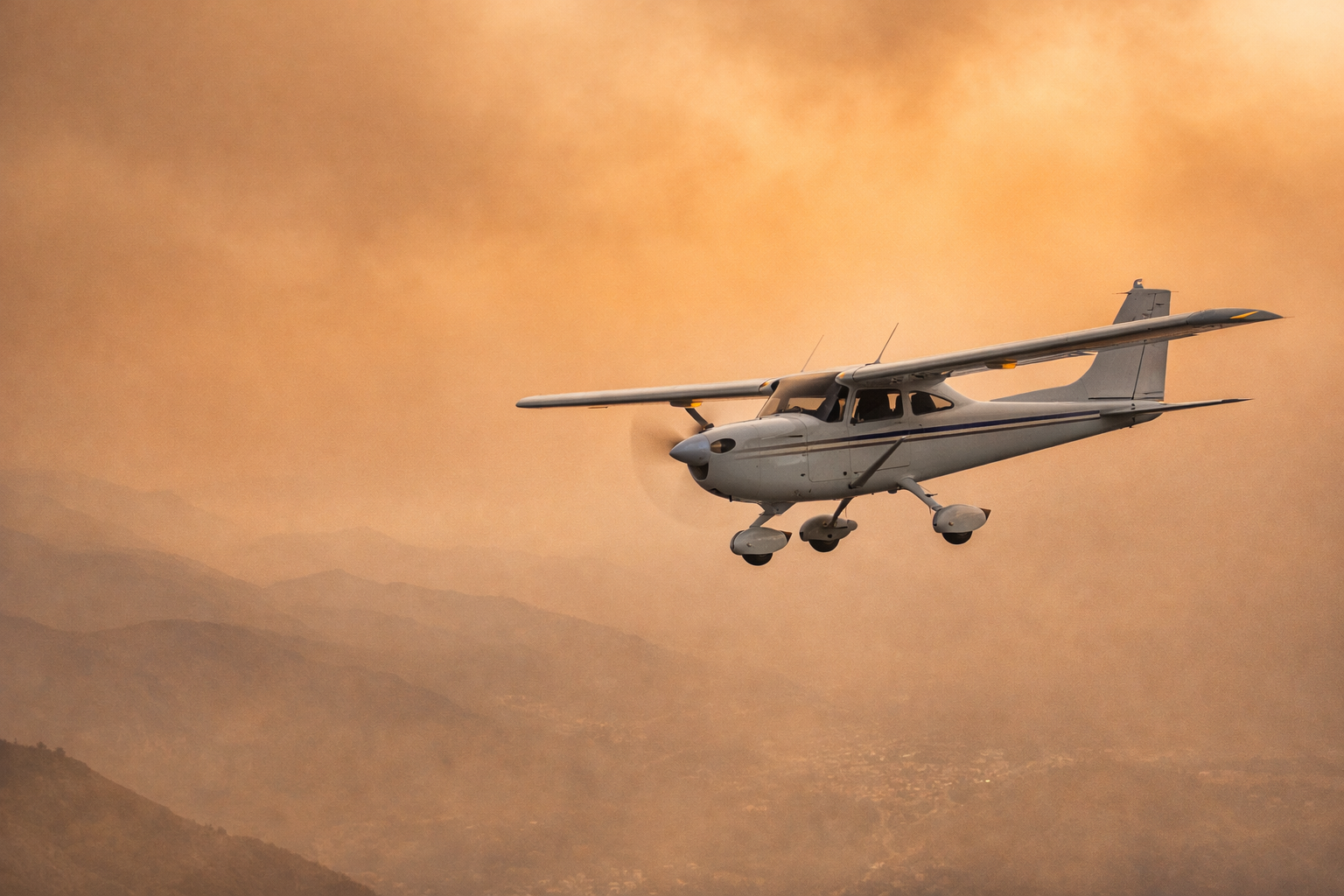
Several times a year, desert dust from the Sahara reaches Europe over long distances and occasionally reaches the Alpine region. Such events are meteorologically interesting and also pose a challenge for weather forecasting. They can also be relevant for general aviation, as the fine dust affects visibility, cloud cover and atmospheric radiation. Although the effects on aircraft in Central Europe are usually minor, reduced visibility, altered lighting conditions and localised

7 March 2026

Why flying over aerodromes with winch launch or parachute operations can be risky

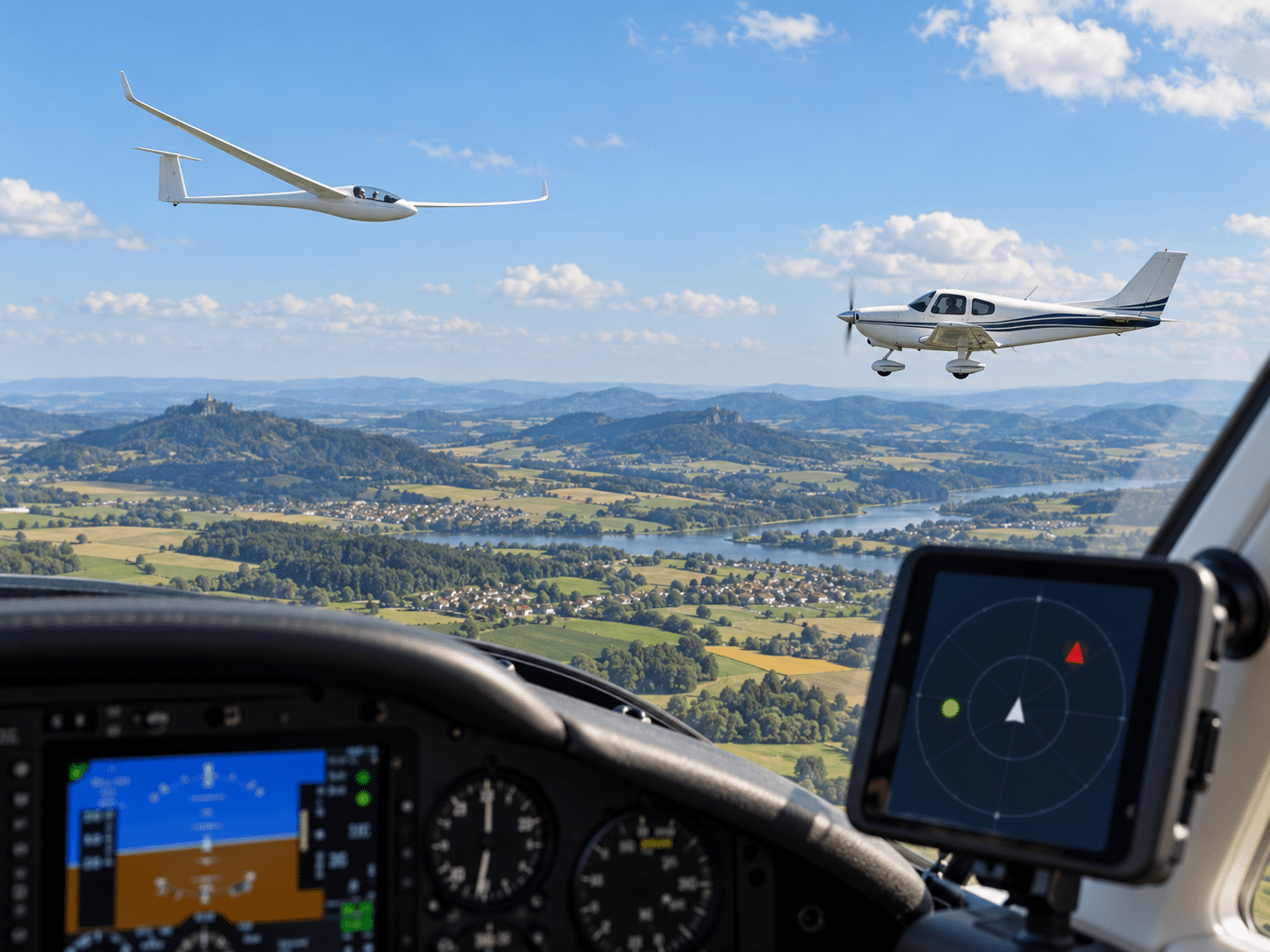
Aerodromes are easily identifiable landmarks for visual flight pilots on the map and in the landscape. Nevertheless, caution is advised when using them as a navigation reference. The situation is particularly critical at aerodromes with glider operations and winch launches or with regular parachute operations. Here, aircraft can operate unexpectedly in close proximity to each other, while individual parties have only limited options for evasive action. Anyone flying over such aerodromes at low altitude or flying uncoordinated through the aerodrome circuit,

7 March 2026

Mixed traffic in airspace E without separation as an underestimated risk for general aviation

Airspace E is considered to be easy to use by visual pilots and is an integral part of everyday operations in general aviation. At the same time, it is used intensively by IFR traffic, particularly in the vicinity of commercial airports. It is precisely this mixed operation that harbours considerable risks, because although Airspace E is formally considered controlled airspace, there is no separation between IFR and VFR traffic. The responsibility for collision avoidance lies entirely with the crews. The following article highlights the structural peculiarities

1 February 2026

Winter flying: What pilots should know during the cold season

Winter changes aviation in many ways. Visibility, aerodynamics, navigation, de-icing, engine operation and cockpit management present pilots with different challenges than in summer. At the same time, the cold season opens up impressive flying experiences: clear air, good climbing performance and fantastic landscapes. It is crucial to prepare for the specific winter conditions and to know the characteristics of snow, ice and cold. This article explains the most important aspects for safe GA flying in winter - from planning

18 January 2026

VFR in IMC: Why weather decisions can make the difference between life and death

VFR pilots who unintentionally find themselves in instrument weather conditions are among the most high-risk situations in general aviation. Between disorientation, loss of control and poor visibility, a situation arises that can overwhelm even experienced pilots. This article sheds light on the phenomenon of VFR-into-IMC, explains why it occurs time and again despite clear rules, and uses practical aspects to show which decisions can prevent or defuse the scenario before, during and after the flight.

18 January 2026

FAA investigating engine problems with Lycoming IO-360: Warning of possible engine rollbacks

The US Federal Aviation Administration (FAA) has drawn attention to a potential safety issue with Lycoming IO-360 engines. Several incidents in which a sudden loss of power or even engine stoppage occurred when the throttle was released have triggered an official investigation. Numerous general aviation aircraft types are affected. The FAA is currently systematically collecting data from the field in order to narrow down the causes more precisely and develop suitable measures. The incident emphasises the importance of close cooperation between manufacturers,

18 January 2026

Wintertime is inversion time: Why temperature inversions are so relevant for flying in the cold season

When general aviation talks about weather-related restrictions, the focus is usually on thunderstorms, turbulence or icing. One phenomenon is often underestimated: inversions. Especially in the winter months, it combines several meteorological effects that can have a significant impact on both VFR and IFR flights. Inversions influence visibility, performance, turbulence behaviour and icing risks and are therefore one of the key aspects of careful flight planning in the cold season.

23 December 2025

Safely through the cold season: practical knowledge for winter flights in general aviation

Winter flights present private pilots with special challenges. Icy conditions, short days, cold engines and slippery operating surfaces increase the demands on flight preparation, technical understanding and flying discipline. At the same time, winter rewards you with clear air, impressive landscapes and often exceptionally good performance values. This article summarises tried and tested practical tips for flying in the cold season, classifies meteorological and technical risks and shows how winter flights can be carried out safely and responsibly.

7 December 2025

Night flying in general aviation - fascination, responsibility and modern challenges

Night VFR is one of the most impressive, but at the same time most demanding disciplines in private aviation. Flying in the dark combines special atmospheric impressions with increased demands on perception, preparation and technology. While night VFR was previously only permitted in a few European countries, the authorisation is now becoming increasingly popular again - not least because modern cockpits, improved lighting systems and reliable navigation aids are making night flying more accessible. Nevertheless, flying in the dark remains an area in which

16 November 2025

Visual and instrument flights in the TMZ Nordostschweiz - A comprehensive refresher for pilots

Since 2022, the Transponder Mandatory Zone North-East (TMZ NE) in eastern Switzerland has been a central component for the safe coordination of visual and instrument flight traffic in the vicinity of St. Gallen-Altenrhein and Friedrichshafen airports. Despite modern technology, the interaction between VFR and IFR traffic in Echo airspace remains challenging. In particular, the proximity of IFR approach routes to frequently flown VFR areas increases the importance of strong situational awareness on both sides of the cockpit. This article highlights the

16 November 2025

The fog season starts again with autumn

When the days get shorter and moist air collects over the cooler ground, the most challenging time of year for pilots begins: the fog season. In autumn in particular, visibility is regularly impaired, which has a significant impact on air traffic. But not all fog is the same. Whether light meadow fog, high fog or dense radiation fog - the distinction is crucial for flight preparation, visual flight conditions and the interpretation of METAR and TAF reports. The following article explains the most important

26 October 2025

Everything you need to know about aircraft transponders

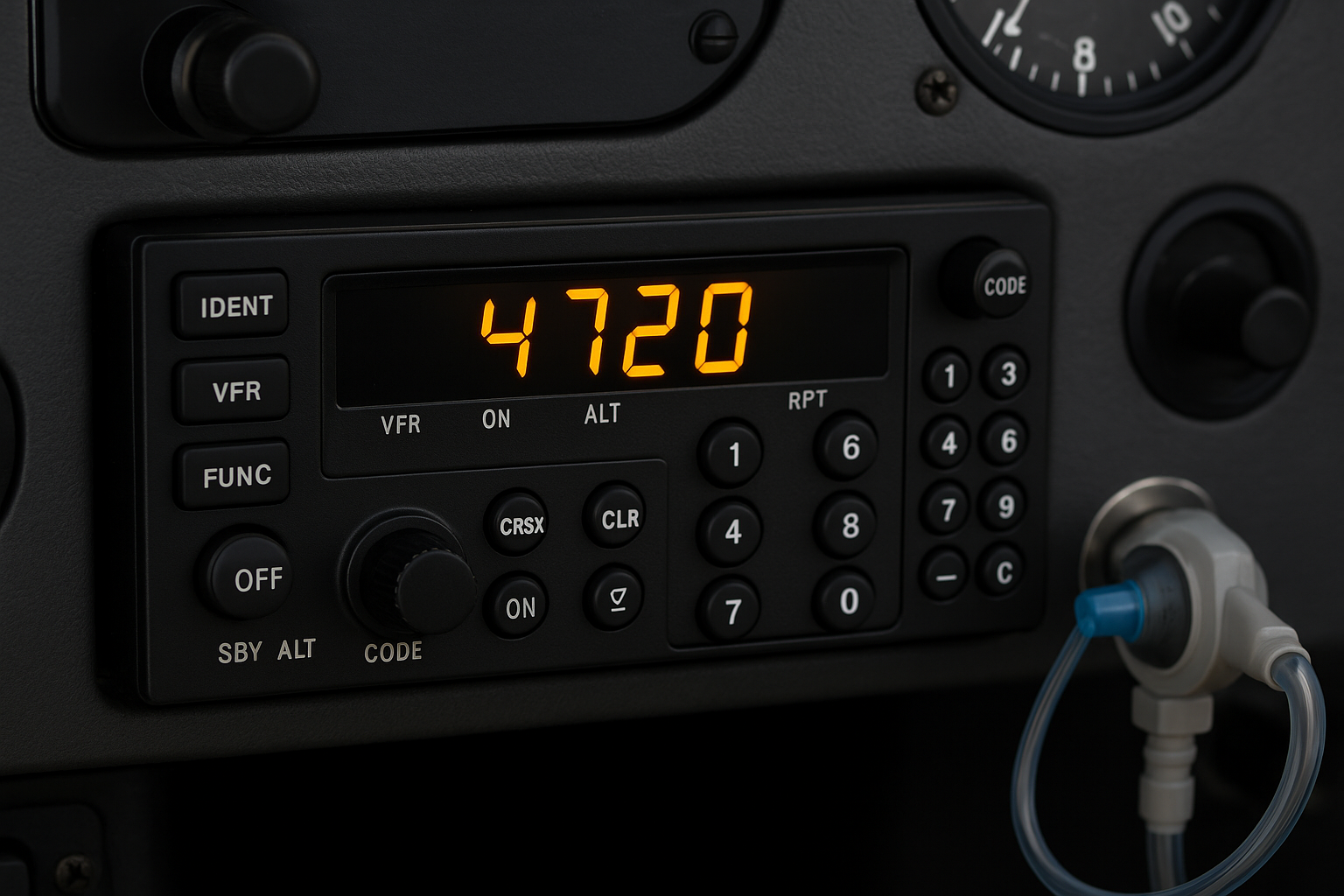
Today, transponders are part of the basic equipment of almost every motorised aircraft and make a decisive contribution to flight safety. They make aircraft visible to air traffic control, enable precise separation in airspace and form the basis of modern collision warning systems such as ADS-B. The following article explains in detail how they work, the legal regulations in Europe, the various transponder modes, typical squawk codes as well as current developments and purchase recommendations for general aviation pilots.

26 October 2025

High-altitude oxygen in general aviation - when it becomes mandatory and how to use it correctly

Flights at higher altitudes bring benefits in terms of range and performance, but expose pilots and passengers to decreasing oxygen availability. At certain altitudes, additional oxygen is not only useful, but mandatory. The article explains the physiological background, precisely summarises the European operating limits, describes typical hypoxia symptoms and the available equipment - from cannulas and on-demand systems to oxygen concentrators. It also contains practical checklists for pre-flight, operation, monitoring and refuelling.

26 October 2025

Support for Classic FLARM is coming to an end - what pilots need to know now

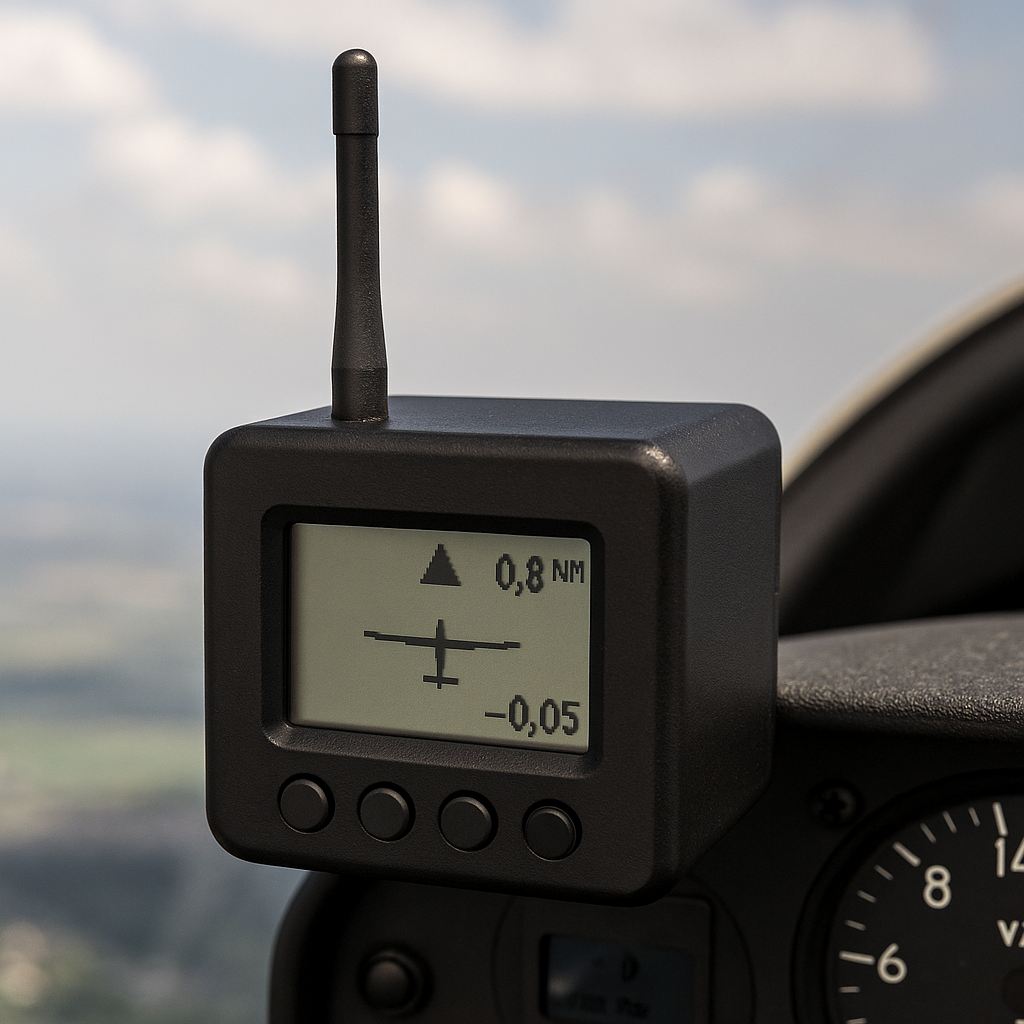
The Swiss company FLARM has announced that it will discontinue technical support for its „Classic“ series of collision warning devices at the end of September 2026. This marks the end of an era in general aviation that has made a significant contribution to increasing flight safety over two decades. The following article sheds light on the background to this decision, explains the technical and economic reasons and shows what pilots and clubs should now bear in mind.

26 October 2025

Flying in the mountains: why the right frequency can save lives

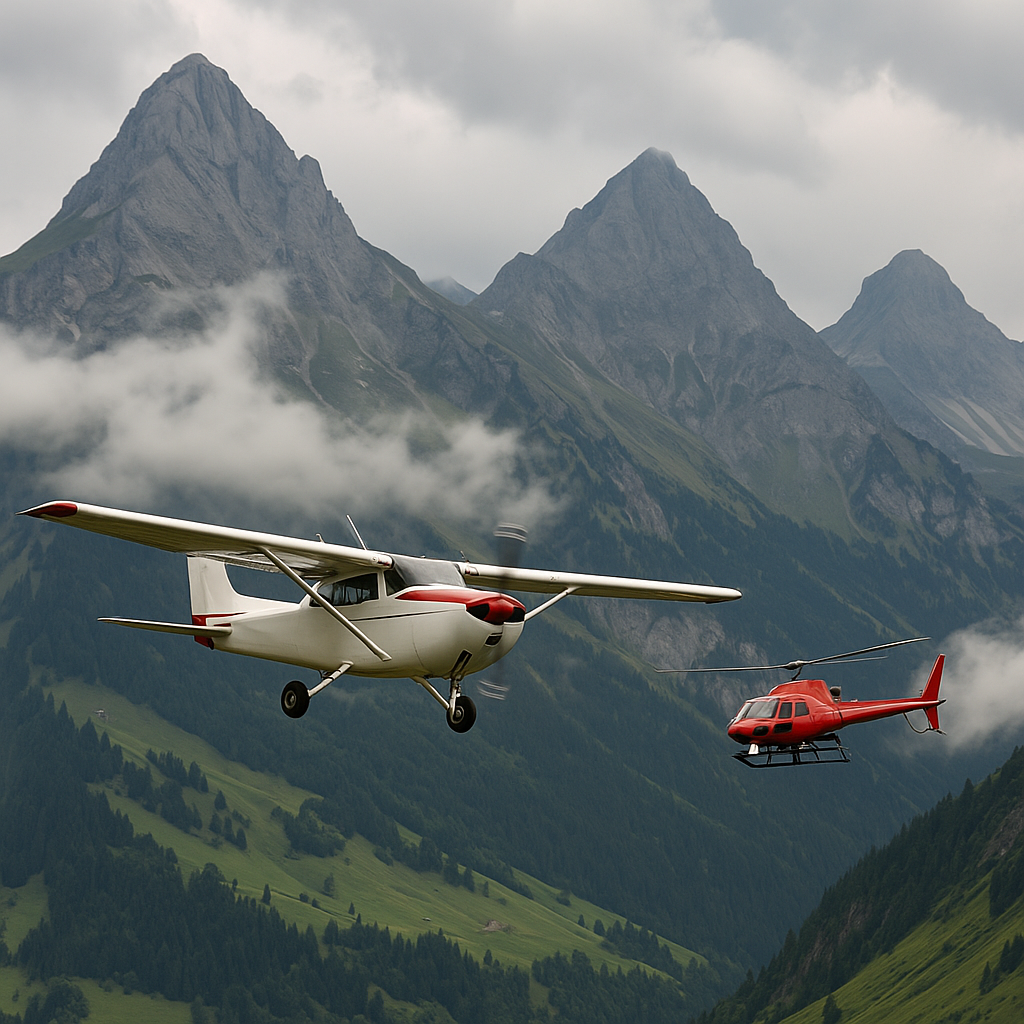
There is often heavy traffic in alpine airspace: helicopters, motorised aircraft and gliders share the same limited space. Especially around well-known peaks such as the Matterhorn or the Eiger, dangerous situations can quickly arise if pilots are not communicating on the same frequency. The Swiss mountain frequency 130.355 MHz is a key instrument for greater safety. Nevertheless, many aeroplanes do not use it consistently. Experts and practitioners are calling for pilots to be better prepared

4 October 2025

Mastering crosswind landings: technique, training and tips for greater safety

Crosswind landings are among the most demanding manoeuvres in general aviation. They require a high degree of concentration, technique and experience. Mistakes in this phase of flight often lead to critical situations, which is why the correct procedure is crucial for pilots. Even strong crosswinds can be safely mastered with the interplay of lead angle and side glide, the appropriate use of the rudder and a conscious decision about personal limits. Modern aids such as simulators and training programmes

3 October 2025

Better training in general aviation: Why continuous training can save lives

Compared to commercial aviation, general aviation is confronted with a significantly higher accident rate. A recent Australian meta-study shows this: Over 90 per cent of fatal accidents involve light aircraft. Pilot error, inadequate training and a lack of situational awareness are considered to be the main causes. Experts are therefore calling for a fundamental reform of pilot training in general aviation, regular refresher training and the increased use of simulators and modern learning methods.

3 October 2025

Invisible danger: wake vortices during mixed operations at aerodromes

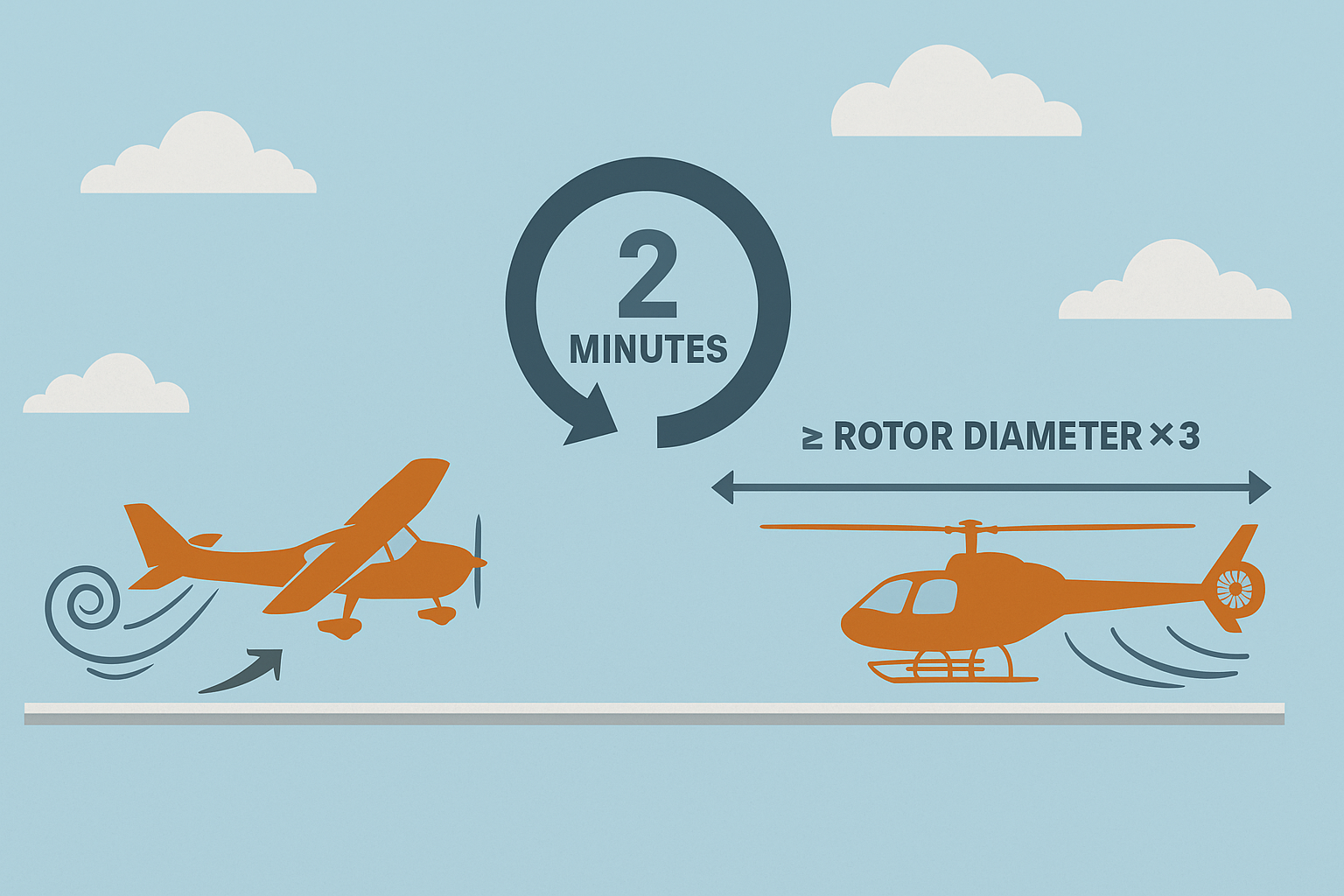
Wake vortices are one of the most underestimated dangers in aviation. Dangerous situations can arise, especially at aerodromes with mixed operations - i.e. where light aircraft, helicopters and larger aircraft such as the Antonov An-2 fly together. Two tragic incidents in Germany and Switzerland show how quickly harmless take-offs can lead to life-threatening emergencies due to the invisible air turbulence. This article sheds light on the physical background, documented accidents and

14 September 2025

General Aviation Safety 2025: What the new meta-analysis shows - and how we can effectively reduce accidents

A recent systematic analysis of 46 studies on accidents in general aviation (GA) reveals five key risk areas: human factors, training deficits, aircraft characteristics, pilot-related characteristics and the flight phase. Particularly critical are flights in low visibility (IMC/night) and at low altitude, where the margin for error is small and stall/spin incidents are often fatal. The findings are clear: recurrent training - targeted, practical and data-supported - reduces the risk. Effective levers are sufficient

14 September 2025

Summer and Alpine flights: What pilots need to pay particular attention to

Flying in summer and in the mountains is one of the most beautiful, but also one of the most challenging experiences in general aviation. High temperatures, thinner air, narrow valleys and changeable wind systems can have a significant impact on flight safety. Accident reports repeatedly show that even experienced pilots underestimate the risks. If you want to navigate safely through hot days and alpine regions, you need to know the basics of physics, tactical rules and weather phenomena - and apply them in a disciplined manner.

23 August 2025

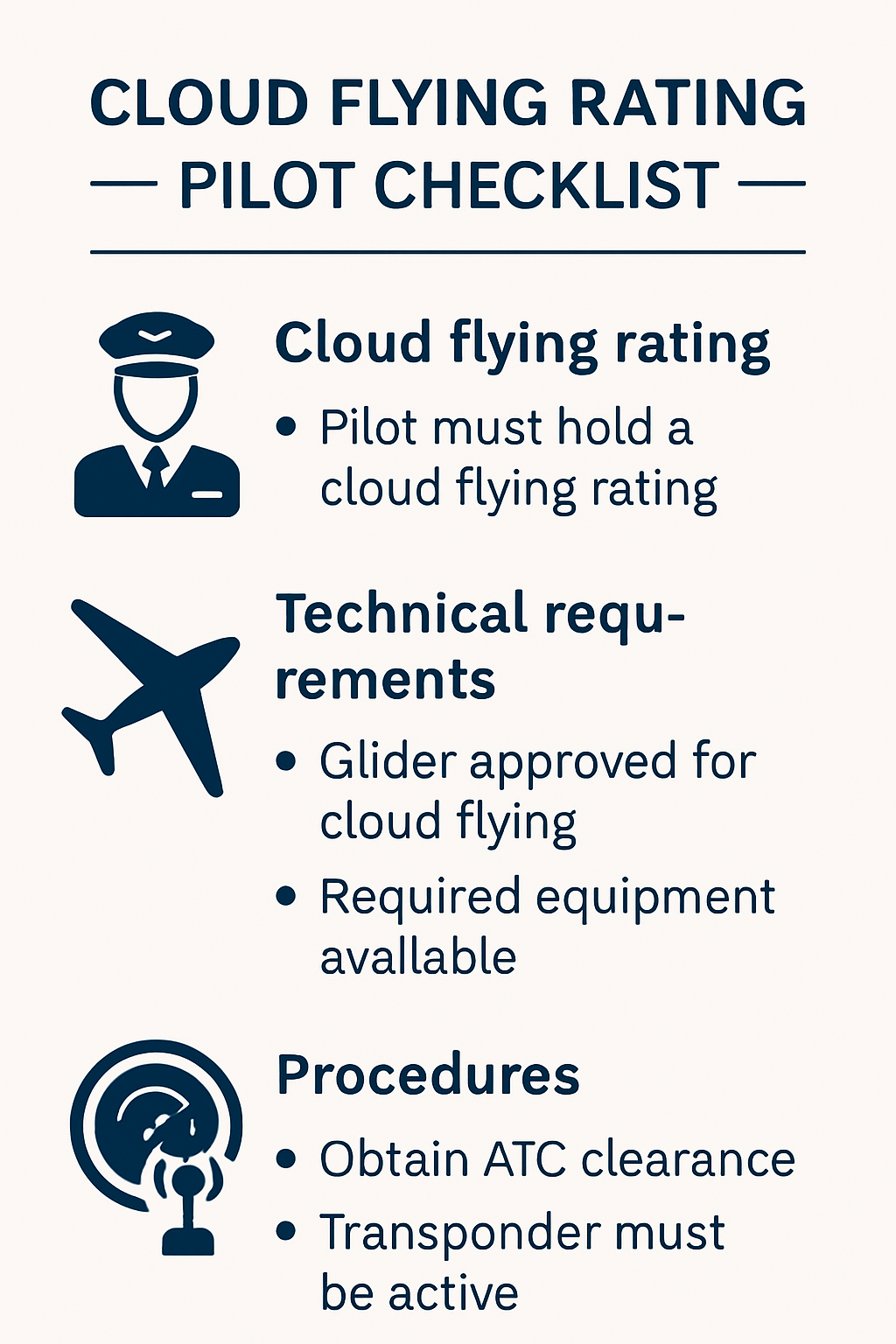
Cloud flying in gliders: opportunities, risks and regulations

The so-called Cloud Flying Rating gives glider pilots the opportunity to fly into clouds under clearly defined conditions. What at first glance looks like a fascinating expansion of flying possibilities, in practice harbours considerable challenges for safety and interaction with IFR traffic. A current example from practice illustrates how important it is to consistently adhere to procedures and regulations.

23 August 2025

Focus on Airspace E: DFS warns of increasing risks due to VFR/IFR mixed traffic

German Air Navigation Services (DFS) has carried out a comprehensive analysis of the German airspace structure on behalf of the Federal Ministry for Digital and Transport Affairs (BMDV). Category E airspace, where visual flight rules (VFR) and instrument flight rules (IFR) meet, is once again particularly critical. DFS emphasises that there has been a conspicuous increase in dangerous approaches over the past year. It is therefore urgently appealing to VFR pilots to pay attention and to take evasive action in

23 August 2025

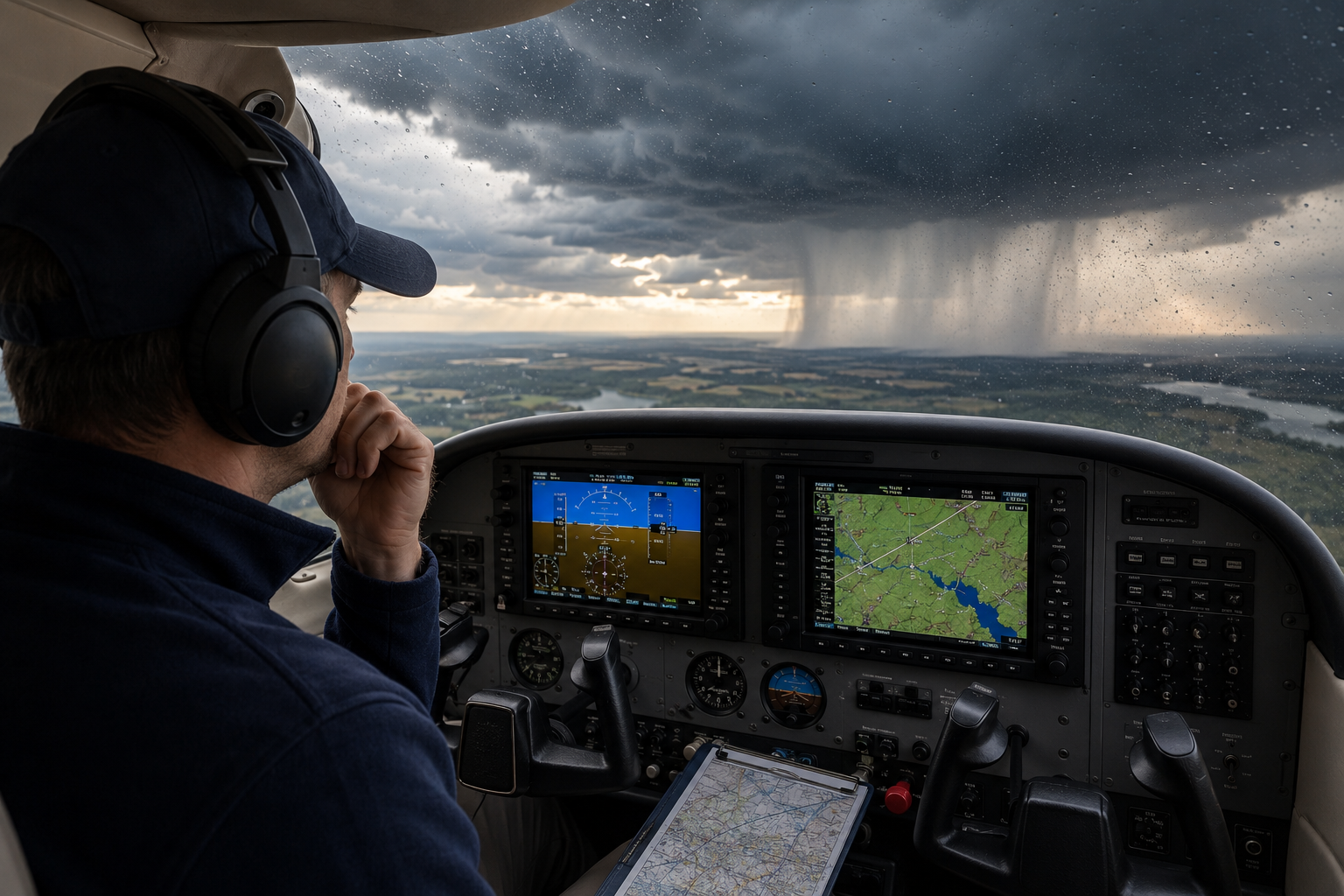
Summertime, thunderstorm time: what pilots need to know now

In the summer months, the probability of thunderstorms increases significantly - a weather situation that harbours considerable risks for aviation. From turbulence and hail to sudden wind shear and extreme precipitation: thunderstorm phenomena pose particular challenges for pilots. This article clearly explains how thunderstorms develop, where they occur most frequently in Switzerland and what precautions should be taken when flying.

27 July 2025

New regulation from 2026: Halon fire extinguishers no longer permitted in the cockpit

The European Aviation Safety Agency (EASA) and the European Commission have taken an important step towards environmental and climate protection: from 1 January 2026, halon-based hand-held fire extinguishers may no longer be used in any aircraft. This measure affects all civil aircraft in Europe - from microlight aircraft to business jets - and is part of a long-term strategy to phase out climate-damaging substances in safety-relevant systems.

20 July 2025

Summertime is density-altitude time: What pilots need to know about performance, control and safety in hot weather

With the first hot days, the topic of "density altitude" is back in high season - a term that is taught in flight training but often underestimated in everyday life. Temperatures above 30 °C, as recently experienced in the Alps, lead to significant changes in performance that affect all phases of a flight: from take-off to climb to landing. The Swiss weather authority MeteoSwiss and several aviation information services are currently warning pilots to exercise particular caution.

6 July 2025

No further contributions available.

Not a member yet? Register now: