Is flying dangerous? How safe private aviation really is - and what pilots can learn from it

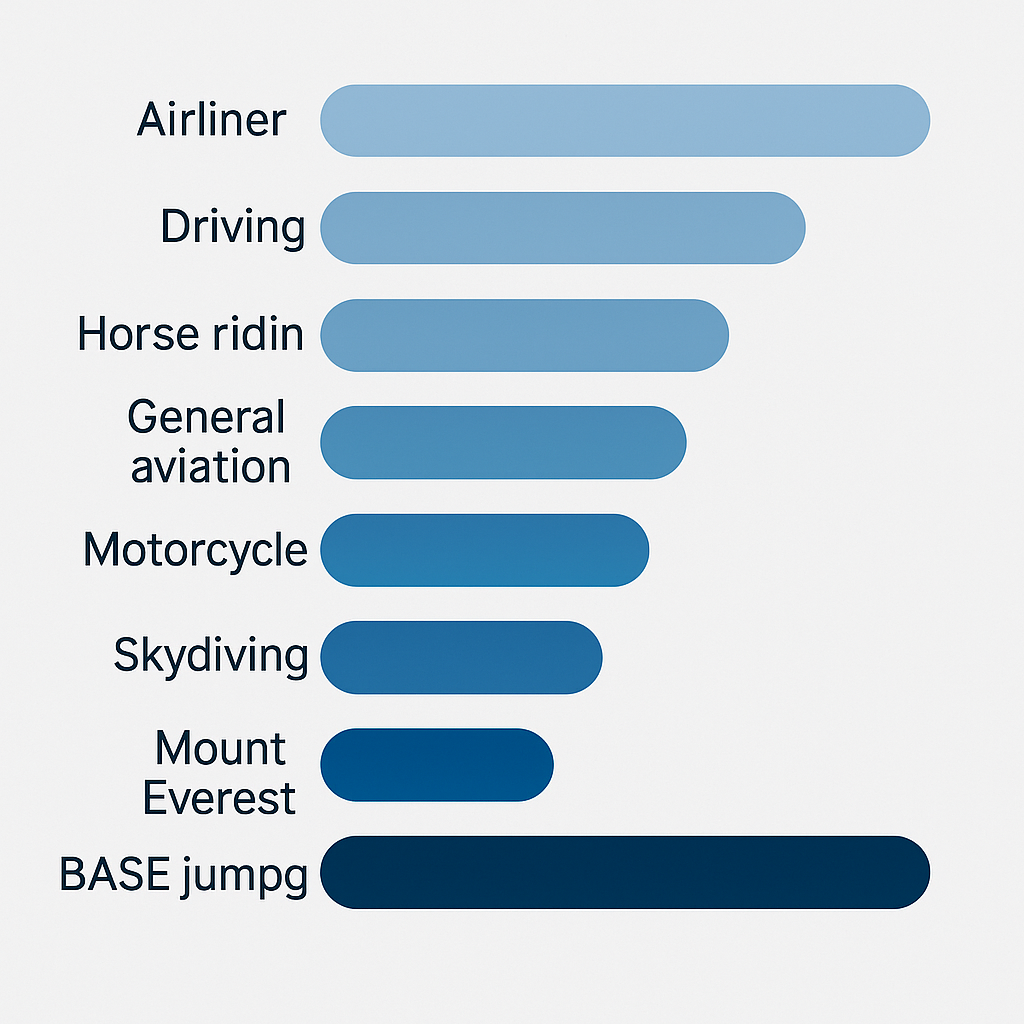
Flying is considered one of the most fascinating activities, but also one with inherent risks. In pilot circles, it is often said that "the most dangerous thing about flying is the journey to the aerodrome". But how reliable is this saying? US glider pilot Clemens S. Ceipek has systematically got to the bottom of this question in his blog www.chessintheair.com - with a well thought-out and comparable risk calculation.

14 July 2025

Digital airspace for all: Switzerland is driving forward electronic visibility in general aviation

Switzerland is one of the leading countries when it comes to digitalisation and airspace safety. With the ambitious FASST-CH project, the Federal Office of Civil Aviation (FOCA) is planning a fully digitally networked airspace by 2035. The aim is to make all aircraft movements - from commercial aircraft, helicopters and motorised aircraft to paragliders, parachutists and drones - electronically visible. The vision: a shared air situation picture in real time for everyone involved.

6 July 2025

New name, new perspectives: Schönhagen airfield becomes Otto Lilienthal research airfield

The Schönhagen airfield in Brandenburg is writing a new chapter in its history: with the official addition of the name "Otto Lilienthal Research Airfield", the airfield is not only receiving a symbolic upgrade, but also new impetus for research, innovation and economic development in the field of general aviation.

27 June 2025

Safety-related incidents in general aviation: Why incident reports are so important

Safety is the top priority in general aviation (GA). Despite the high level of professionalism of those involved and the regular maintenance of aircraft, incidents can never be completely avoided. In such cases, so-called incident reports play a central role. This article explains what exactly needs to be reported, who is obliged to report and why a practised safety culture forms the basis for a better level of safety.

27 June 2025

Flying with hay fever: what pilots should definitely bear in mind

Spring not only marks the start of the flying season, but also the season of pollen - and thus the time of suffering for many allergy sufferers. Hay fever is more than just an annoying side effect: for pilots, it can pose a serious risk to their fitness to fly. Sneezing attacks, watery eyes and fatigue not only jeopardise concentration but, in the worst case, also safety in the cockpit.

14 June 2025

A solo flight with a serious outcome: What the accident in Oerlinghausen teaches us about flight training and mental resilience

A first solo flight is a significant step for every student pilot - a moment that requires self-confidence and flying maturity. But what happens when technical errors, mental exhaustion and incomplete decision-making skills come together? The serious accident involving a student pilot at the Oerlinghausen special landing site (EDLO) in October 2023 provides tragic illustrative material - and important insights for training in general aviation.

14 June 2025

Security situation in Swiss civil aviation in 2024: more incidents, new challenges - and targeted prevention

The Federal Office of Civil Aviation (FOCA) has published a comprehensive analysis of the safety situation in Swiss civil aviation in its Annual Safety Report 2024. The figures show a significant increase in reported safety-related incidents - to 12,751 reports, which corresponds to an increase of around 20 % compared to the previous year. The increases in GPS malfunctions, incidents involving conspicuous passengers and near-collisions are particularly striking. The report shows: Air traffic is becoming more complex - and the FOCA

13 June 2025

Bird strikes in recreational aviation: an invisible danger with serious consequences

With the start of the breeding and rearing season, the risk of bird strikes increases in Central Europe - an underestimated but safety-relevant issue that affects not only commercial aviation, but also general aviation in particular. Recreational pilots need to be particularly vigilant.

23 May 2025

Intersection take-off: efficient take-off - but with caution

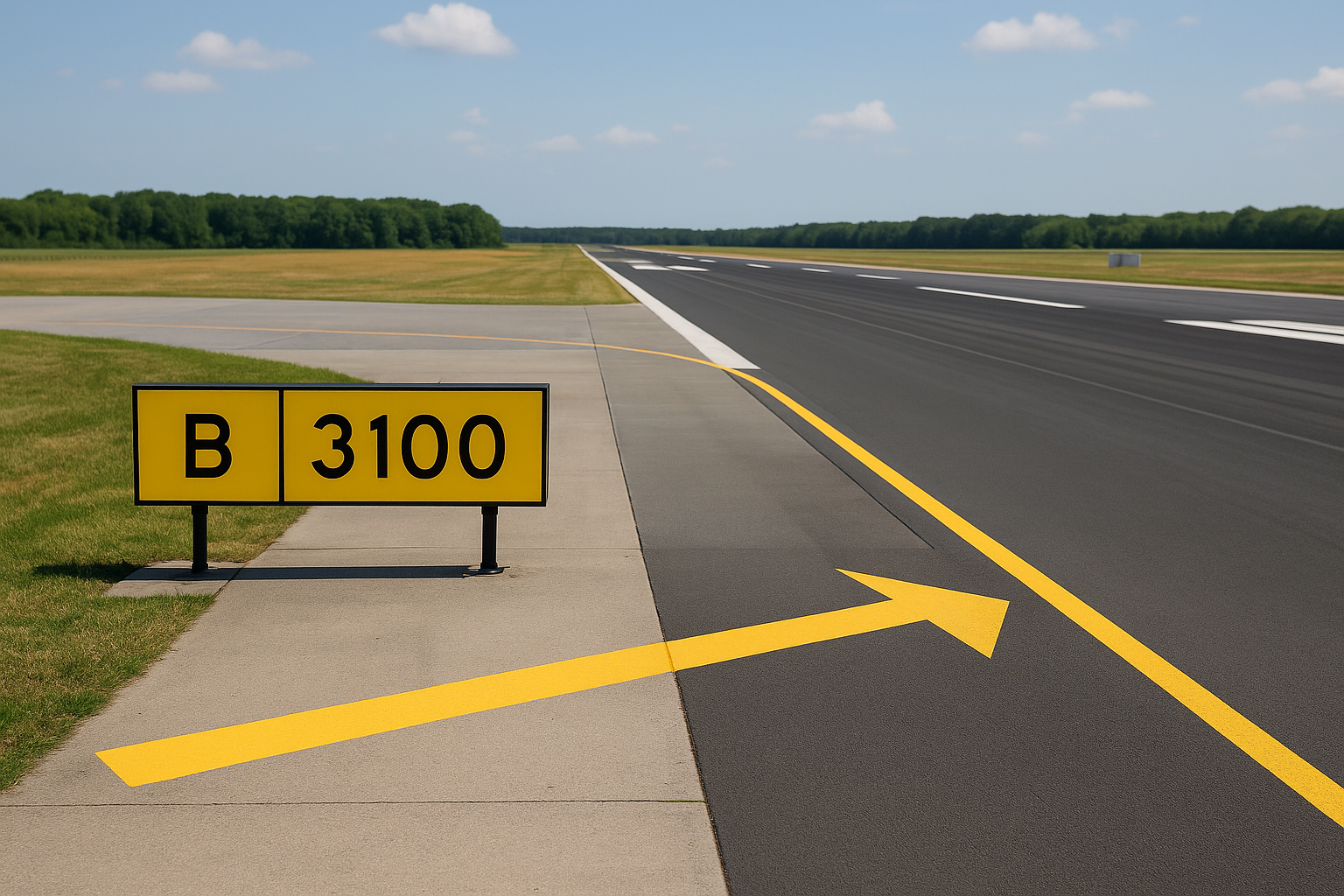
In general aviation, take-off from a runway intersection - known as an intersection take-off - is being used more and more frequently. What initially sounds like a time saving is actually a complex interplay of efficiency, safety, communication and flight operations. Pilots should weigh up the benefits and risks carefully before foregoing runway length.

23 May 2025

Start the season safely: Why assembly errors in gliding can be life-threatening

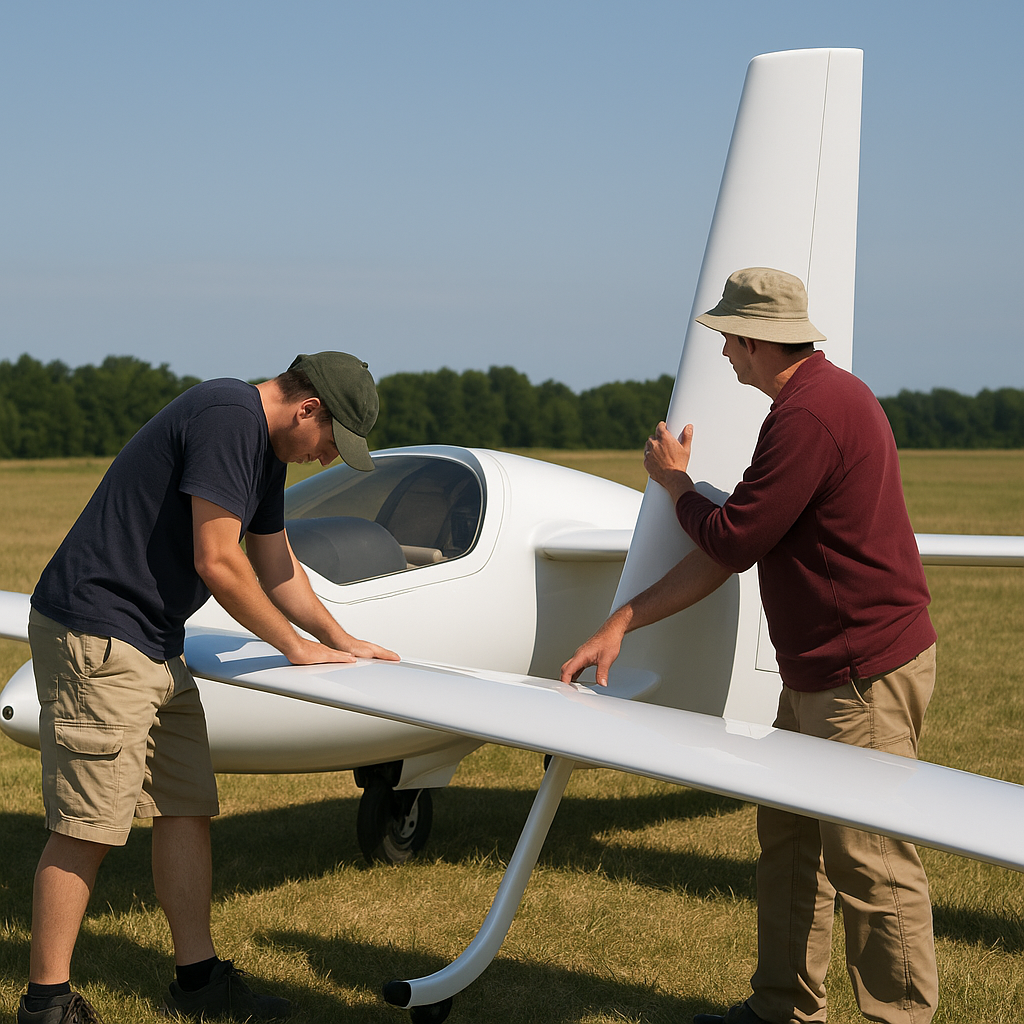
At the start of every new flying season, glider pilots are full of anticipation: finally back in the air! But before the glider can take off, there is an often underestimated task - assembling the aircraft after the winter break. The first commissioning in spring in particular harbours risks, as the processes are not quite as well-rehearsed after the long break as they were in autumn. Even a small mistake can have dramatic consequences. Annually

10 May 2025

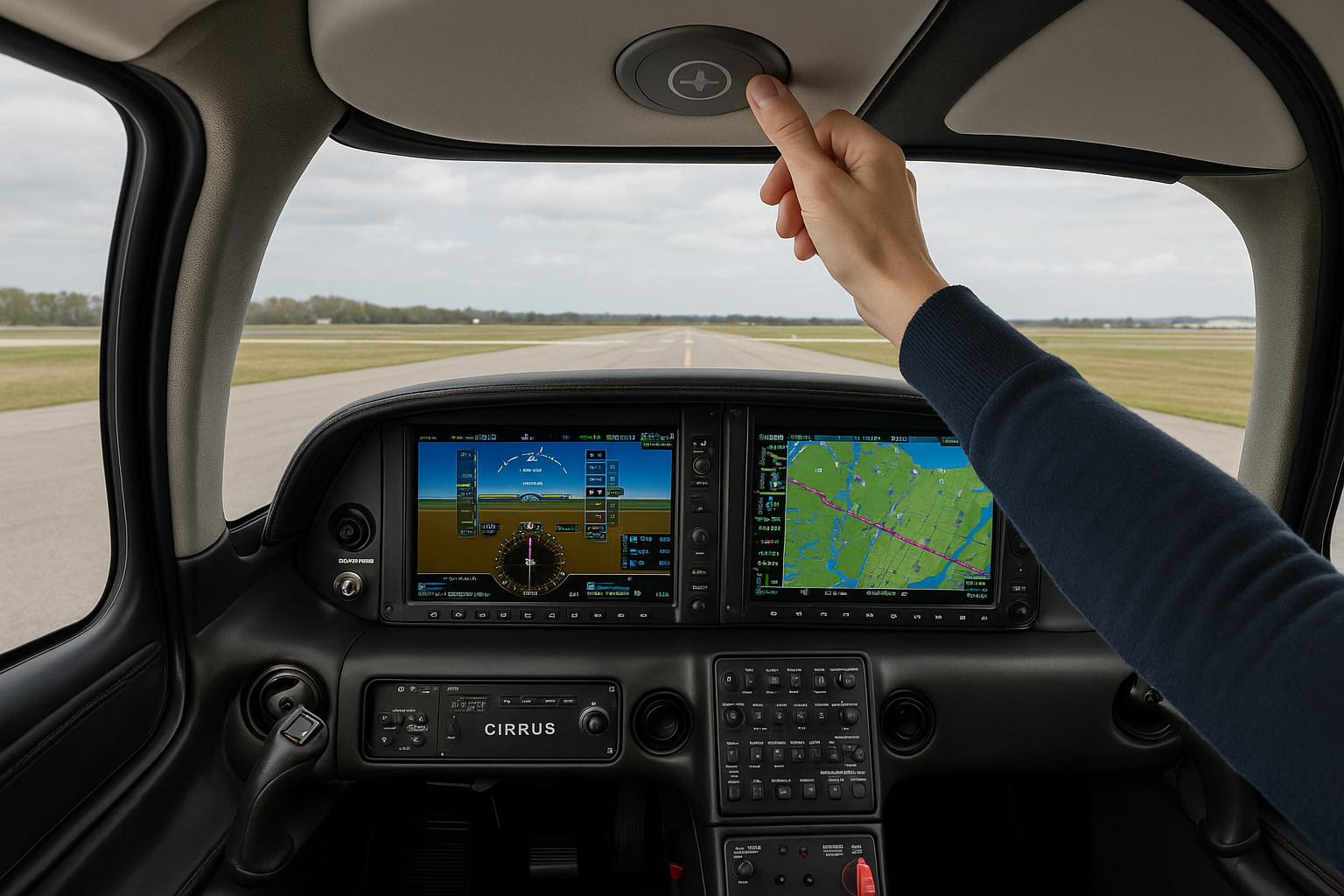
Cirrus integrates "Safe Return" emergency landing system in piston aircraft

Cirrus Aircraft has taken another significant step towards safety and technological innovation. With the introduction of the automatic emergency landing system Safe Return Emergency Autoland in the new generation (G7+) of its piston engine aircraft - SR20, SR22 and SR22T - the US manufacturer is setting a new safety standard in general aviation. What was previously only available in selected turboprops and the Cirrus Vision Jet is now also available to pilots and passengers of smaller piston aircraft.

10 May 2025

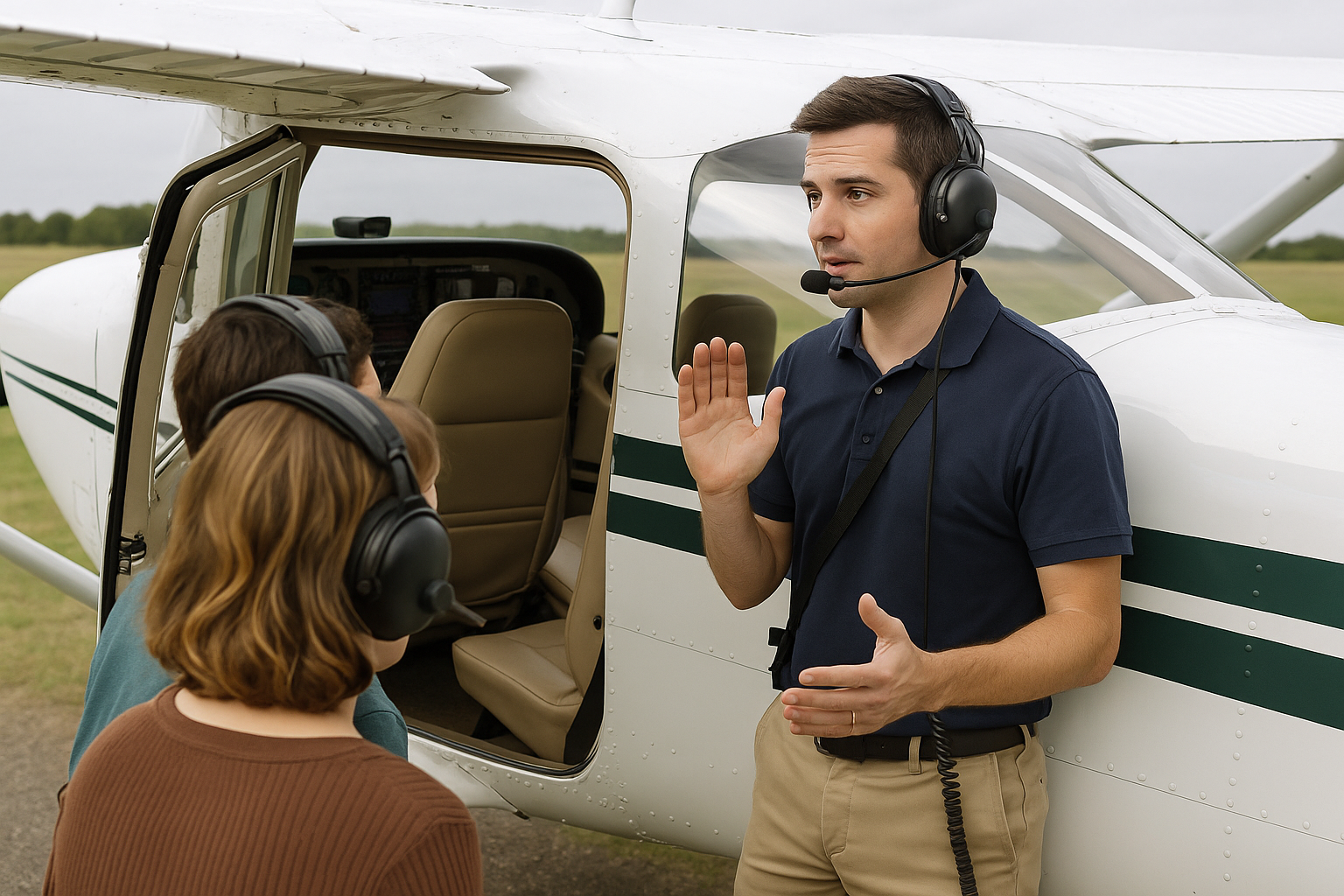
Flying with passengers: Why a good safety briefing is essential

A sightseeing flight with passengers is often a highlight for everyone involved: the view, the feeling of flying and the special atmosphere make the flight unforgettable for many. However, what is a special experience for passengers is a great responsibility for the pilot - not only legally, but also in human terms. Anyone who takes guests on board takes on the task of guiding them safely and prepared through a situation,

3 May 2025

Airspace violations: When carelessness becomes expensive - legal consequences, prevention and practical examples

In civil aviation, compliance with the airspace structure is a fundamental prerequisite for the safety of all parties involved. However, airspace violations occur time and again, particularly in general aviation - often not intentionally, but due to carelessness, a lack of planning or technical overload. Many pilots underestimate this: Even small mistakes can have serious legal and financial consequences. The consequences range from severe fines

3 May 2025

Safer Swiss airspace through e-Conspicuity: how visibility and technology are changing aviation

Swiss airspace is one of the most complex in Europe: commercial aircraft, helicopters, motorised aircraft, gliders and paragliders, parachutists and, in future, drones share the same limited airspace - in a topographically challenging environment. The digital visibility of all airspace users, summarised under the term e-Conspicuity, is therefore becoming increasingly important. The Federal Office of Civil Aviation (FOCA) is now driving this development forward with a survey and the FASST-CH project.

14 April 2025

Incident reporting in general aviation: safety through open communication

Aviation is one of the safest modes of transport in the world - and that is no coincidence. Behind this record is a comprehensive system for recording, analysing and preventing safety-related incidents. A central component of this system is the reporting system in accordance with EU Regulation No. 376/2014, which was introduced by the European Union in order to recognise potential hazards at an early stage and derive preventive measures from them. In general aviation in particular, where the operation of

5 April 2025

Flying safely without air traffic control - New procedures for uncontrolled aerodromes

With the start of the flying season in spring 2025, a key issue for general aviation will once again come into focus: flying at aerodromes without air traffic services (AFIS/ATC). NfL 2024-1-3240, published in October 2024, has created clear guidelines for conducting aeronautical radio at these aerodromes. It is supplemented by other regulations such as NfL 2024-1-3106 on operations management. The new regulations provide both clarification and a source of discussion - especially among VFR pilots,

5 April 2025

Flying safely in the mountains: why tactics and altitude reserves are essential for survival

Flying in alpine terrain is considered one of the most demanding disciplines in general aviation - and rightly so. The combination of topography, weather phenomena, low power reserves at high density altitudes and the frequent lack of evasive manoeuvres makes mountain flying a challenge for pilots. A tragic example of this is provided by an accident that occurred in Switzerland in summer 2019 and whose investigation report was recently published by the Swiss Transportation Safety Investigation Board (STSB).

22 March 2025

Emergency or safety landing: What to do after a successful off-field landing?

Emergency and safety landings are among the exceptional situations that every pilot can be confronted with. Whether it's a technical defect, a sudden change in the weather or another unforeseeable incident - the right response at such moments can be crucial. But what happens after a successful outlanding? Can you simply take off again, or do certain regulations need to be observed? This report sheds light on a real incident, draws important lessons from it and provides an overview of the legal regulations

15 March 2025

Cirrus Aircraft refuses approval for unleaded AVGAS G100UL - material problems and safety concerns

General aviation is facing a significant change: the transition to unleaded aviation fuel is a key challenge that is becoming increasingly important for both environmental and regulatory reasons. One of the most promising candidates, G100UL from General Aviation Modifications, Inc (GAMI), has undergone intensive testing in recent years. Now a decision by Cirrus Aircraft is causing discussion: The manufacturer refuses to approve G100UL for its SR series and refers to

22 February 2025

ADS-L: See and be seen - More safety in aviation

The current issue of the popular EASA series "Sunny Swift" emphasises the important topic of electronic visibility in airspace. The motto is: "See and be seen" - or in German: "See and be seen". With new technologies such as ADS-L (Automatic Dependent Surveillance-Light), the principle of "See and Avoid" is taken to a new level and general aviation pilots receive valuable digital support to increase safety.

5 February 2025

Night VFR: Important requirements for an extraordinary flying experience

Flying at night is one of the most fascinating experiences in aviation. The illuminated cities, the soft glow of the stars and the calm, often turbulence-free sky give flying a very special atmosphere. However, a night flight also places special demands on planning, flight equipment and the pilot's skills. In this article, we take a detailed look at the most important aspects that pilots need to consider for a safe and successful night flight according to

25 January 2025

FLARM collision warning system: abolition of the mandatory software update

The FLARM collision warning system, which is widely used in gliding in particular, has undergone a significant change: the previously mandatory annual software updates are no longer required to maintain the basic traffic warning function. The new software version 7.40 ensures that the basic collision warning function is permanently maintained, regardless of whether the device is regularly updated. This is a significant relief for many pilots who use FLARM to increase flight safety.

25 January 2025

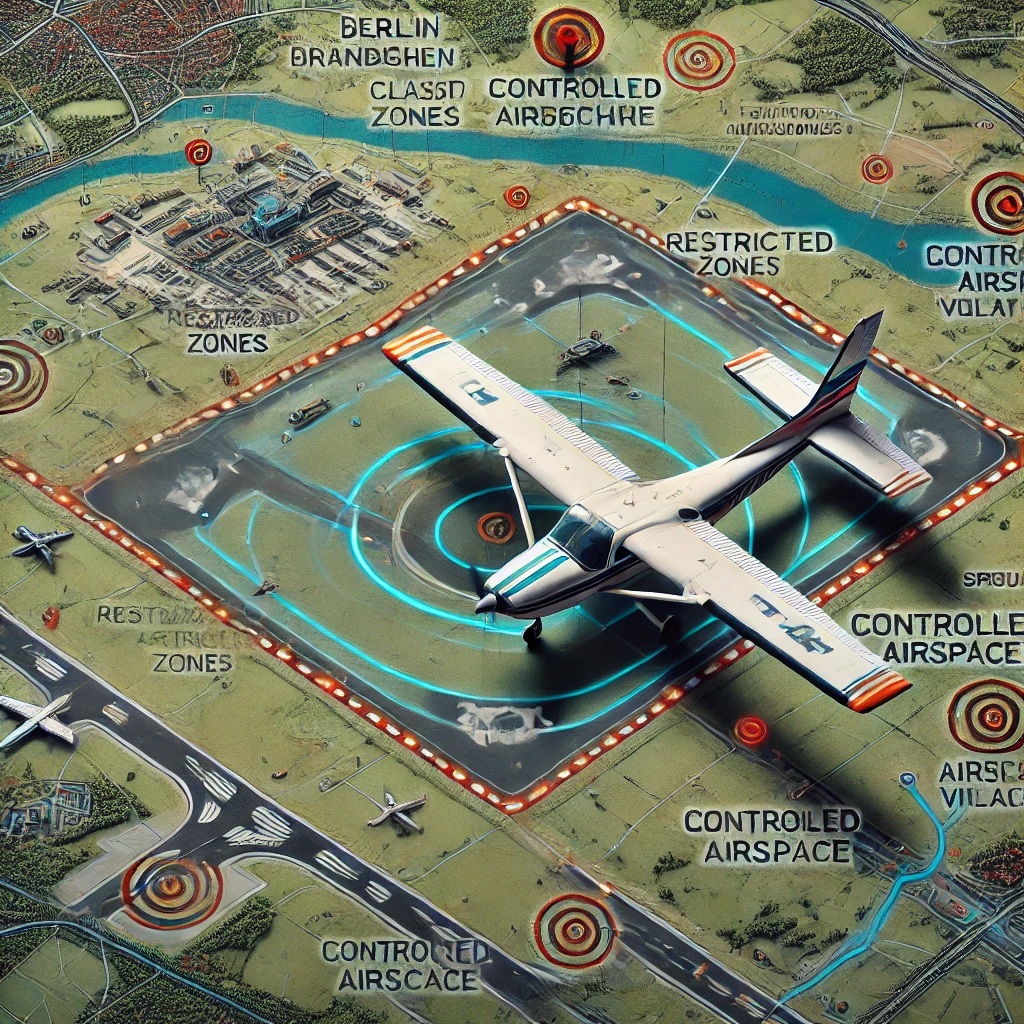
Airspace violations over Berlin: the situation remains tense despite new regulations

In April 2024, the lower limit of airspace C in the vicinity of Berlin Brandenburg Airport (BER) was lowered to 1,500 feet (approx. 457 metres). This measure was intended to reduce the number of airspace violations that had repeatedly led to dangerous convergences between VFR traffic (visual flight) and IFR traffic (instrument flight) at BER in recent years. Now German Air Traffic Control (DFS) is taking stock - and the results are sobering. The number of airspace violations in the year

25 January 2025

GPS failures in aviation: how private pilots should prepare themselves

The increasing disruption to GPS navigation poses a serious challenge for aviation. In Eastern Europe in particular, cases of GPS signals being manipulated or blocked are becoming more frequent - a development that can have dangerous consequences for pilots. Modern aircraft rely heavily on GNSS (Global Navigation Satellite Systems) navigation, and traditional VOR or NDB radio navigation is becoming less and less important in practice. But what happens if the GPS suddenly stops working?

25 January 2025

Emergency landing exercises: Responsible training in general aviation

Emergency landing exercises are a central component of pilot training. They prepare pilots to act prudently in an emergency and to land an aircraft safely. These exercises are not only technically demanding, but must also be carefully planned and carried out with regard to environmental protection and safety aspects.

25 January 2025

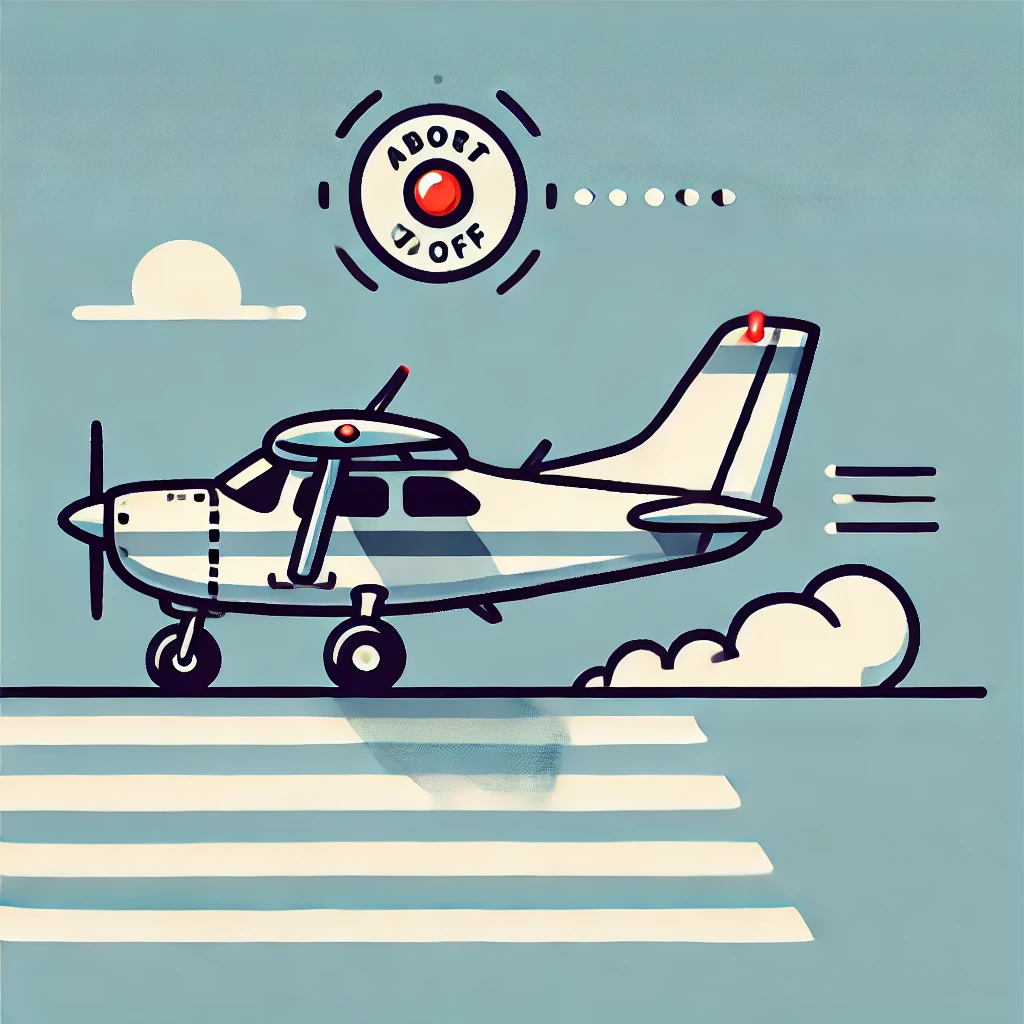
Aborted take-off when flying: tips and strategies for greater safety

Aborting take-off is one of the most critical decisions a pilot has to make during a flight. Within seconds, it is decided whether the flight can continue safely or whether it needs to be aborted. Good preparation, clear decision management and technical checks are crucial in order to minimise risks and act correctly in an emergency.

4 January 2025

Recommendations of the BAT working group on the safe operation of Rotax engines

General aviation regularly faces technical and operational challenges, particularly in the area of engine safety. The focus here is on Rotax engines, which are used in a large number of light and microlight aircraft. In the first half of 2024, the BAT working group (BAT-AG) "Rotax" published numerous recommendations for the safe operation of these engines in order to minimise performance losses and operational problems. This was based on the Rotax Service Letter SL 912-016R2 and findings from reported cases.

23 December 2024

Flying with digital assistants: opportunities and risks in the cockpit

Digital aids such as electronic flight planners and navigation programmes (electronic flight boards, or EFBs for short) have become firmly established in aviation. These devices enable pilots to efficiently manage complex tasks such as flight planning, weight and centre of gravity calculations, weather analyses and airspace observations. But as with any technology, there are downsides. An overview of the opportunities and risks.

8 December 2024

Problems with Rotax engines: Federal Aviation Office provides information on the current situation

The German Federal Aviation Authority (LBA), the European Aviation Safety Agency (EASA) and national aviation authorities in Europe are continuing to intensively investigate an accumulation of malfunctions in aircraft powered by Rotax carburettor engines. While the causes have not yet been conclusively clarified, the LBA has provided extensive information to inform pilots and operators about the status of the investigations and possible measures.

8 December 2024

Changes to the aviation weather briefing: What pilots need to know

The German Meteorological Service (DWD) has the exclusive right to provide aviation weather forecasts for general aviation in Germany. From 1 December 2024, changes to the aeronautical weather advisory service by telephone will come into force, which will not only affect the cost structure, but also aim to modernise and standardise the service.

8 December 2024

No further contributions available.

Not a member yet? Register now: